SAVE UP TO 10% TODAY! - PROMO CODE: UGOTIT10



Separate Business and Personal Finances for Small Business Growth
Learn why separating business and personal finances helps small business owners improve bookkeeping, build credibility, and support long-term growth.
U GOT IT
5/23/20261 min read
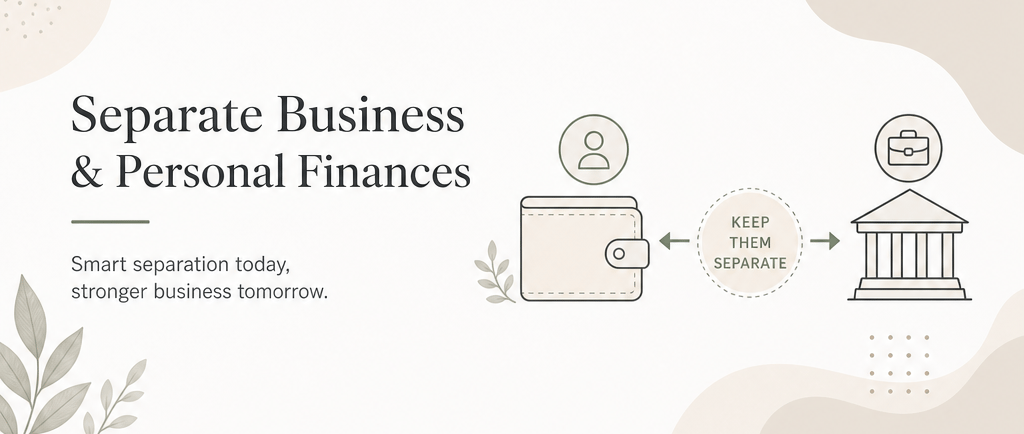
Why Separating Business and Personal Finances Helps Small Businesses Grow
Many small business owners start out paying for supplies, subscriptions, and other expenses with a personal debit card. It feels simple at first, but mixing personal and business finances can create confusion that slows growth. If you want better visibility into cash flow, cleaner bookkeeping, and stronger credibility, one of the smartest first steps is to separate business and personal finances.
Separate Finances to See Real Business Performance
When business and personal transactions are combined, it becomes harder to understand what your business is actually earning and spending. A separate business bank account gives you a clearer view of revenue, expenses, and profit so you can make better decisions. It also makes bookkeeping easier and can save time when preparing for tax season.
Build Credibility With a Dedicated Business Bank Account
A dedicated business bank account helps your company look more professional to customers, lenders, and potential partners. It can also support a cleaner business credit profile over time and create a stronger financial foundation for growth. If you are serious about scaling your business, do not wait until tax season to fix the problem. Open a business bank account, separate your finances, and give your business the structure it needs to grow.
U GOT IT
Strategic resources and startup essentials designed for the modern founder.
Contact
Receive More Business Tips
© 2024. All rights reserved.