SAVE UP TO 10% TODAY! - PROMO CODE: UGOTIT10


Why People Say YES: The Psychology Behind Buying Decisions
People don’t buy because of your product; they buy because of how it makes them feel. Discover the psychology behind why customers say "YES" and learn how to apply 7 simple triggers to sell with confidence—whether you're a brand new startup or an established business.
U GOT IT
6/25/20263 min read
How new and existing businesses can use it to sell with confidence
If you’ve ever wondered why some businesses attract customers effortlessly while others struggle — even with great products — the answer is simple: "People don’t say YES because of the product. They say YES because of how the product makes them feel."
Modern research in psychology, neuroscience, and consumer behavior all point to the same truth: Buying is emotional first, logical second.
Understanding why people say yes can transform the way you sell — especially if you’re a new business owner or an established business trying to stay strong in a tough economy.
Let’s break it down.
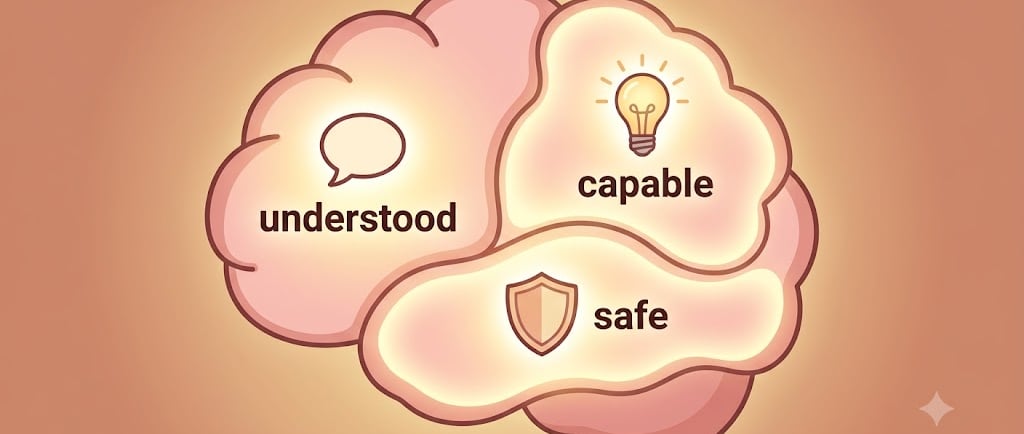
The 3 Core Reasons People Say YES
1️. They feel understood
Before people buy, they ask themselves: “Do they get me?”
Humans are wired to move toward people who understand their struggles, desires, and goals. When your message reflects their reality, their brain releases oxytocin — the trust chemical.
✔ How new businesses can apply this:
If you’re just starting, focus on speaking directly to the problem your audience is facing.
Example: “Starting a business in Texas and don’t know where to begin? Here’s the simplest way to get legal and protected.”
✔ How existing businesses can apply this:
Reconnect with your audience by acknowledging what they’re going through.
Example: “If sales have slowed down, it doesn’t mean your business is failing — it means your strategy needs a reset. Let’s simplify it.”
2️. They believe you can help them
This is where authority + clarity come in.
People say yes when they feel confident that your product or service will actually solve their problem.
✔ How new businesses can apply this:
Show simple proof, even if you’re new:
Share your process
Share your story
Share small wins
Share what inspired you to start
Example: “Here’s how I help new entrepreneurs register their business in 3 simple steps.”
✔ How existing businesses can apply this:
Highlight results, testimonials, or before‑and‑after transformations.
Example: “Over 200 clients have used our system to organize their business finances — even during slow seasons.”
3️. They feel safe
The brain hates risk. If something feels confusing, overwhelming, or uncertain, the answer becomes no — even if they want it.
People say yes when the next step feels simple, guided, and low‑risk.
✔ How new businesses can apply this:
Make the process easy to understand. Use phrases like:
“Step‑by‑step”
“I’ll guide you”
“Simple process”
“No experience needed”
✔ How existing businesses can apply this:
Reduce friction:
Offer clear pricing
Show what happens after they buy
Provide guarantees or reassurance
Simplify your checkout or booking process
Example: “Book your consultation — I’ll walk you through everything you need.”
🧠 The 7 Psychological Triggers Behind a YES
These triggers work for any business — product or service, new or established:
Reciprocity — Give value first.
Social Proof — Show testimonials, reviews, results.
Authority — Demonstrate expertise.
Liking — People buy from people they like.
Scarcity — Limited spots or limited time.
Commitment & Consistency — Small yes → big yes.
Clarity — Confusion kills sales.
When your content and offers include these elements, people feel naturally drawn to say yes.
How New Businesses Can Use This to Sell More
If you’re just starting out, your biggest advantage is simplicity. You don’t need a complicated funnel — you need connection.
Focus on:
Speaking your customer’s language
Showing your process
Offering small wins
Making the next step easy
Example for a new product business: A candle maker can post: “Struggling to relax after long days? My lavender soy candle is hand‑poured to help you unwind in minutes.”
Example for a new service business: A virtual assistant can say: “Feeling overwhelmed with admin tasks? I help small business owners get organized in 48 hours.”
How Existing Businesses Can Use This to Refresh Their Sales
If the economy has slowed your sales, it’s not your fault — but it is your opportunity to reconnect.
Focus on:
Reassurance
Clarity
Updated messaging
Quick wins
Customer stories
Example for an existing product business: “Sales have been unpredictable lately — that’s why we created bundles that save you money and simplify your routine.”
Example for an existing service business: “If your business feels stuck, our 1‑hour strategy reset session will help you get clear and confident again.”
Selling Is Not Pressure — It’s Alignment
People say yes when they feel:
Seen
Safe
Supported
Guided
Understood
When your message reflects this, selling becomes natural — not forced.
Whether you’re building a new business or refreshing an existing one, the psychology of YES is your most powerful tool.
U GOT IT
Strategic resources and startup essentials designed for the modern founder.
Contact
Receive More Business Tips
© 2024. All rights reserved.